
- Implementation puts the brand onto every surface it touches, in a planned order, with owners and a date.
- Start with the surface inventory; it sets the budget, the timeline and the owners.
- The longest lead times (exterior signs, trade marks, regulator records) set the start date, usually around twelve weeks before launch.
- Customer-facing surfaces switch on one date; physical items follow as they run out.
- Brief staff before customers, and have one person own the plan.
What is brand implementation?
Brand implementation is the work of putting a new or changed brand onto every surface it touches, in a planned order, with an owner and a date for each. It starts where the identity work ends, with a finished system of guidelines, templates and files, and ends when the last van, sign and job advert carries the new brand and the old files are gone.
It is also called a brand rollout or corporate identity rollout. Whatever it is called, it is the phase that decides whether customers meet one brand or two.
Why implementation is where rebrands fail
The design work is visible and gets the attention. The rollout is spread across dozens of surfaces, several departments and months of lead times, and it is where the budget runs short.
The pattern is familiar: the website changes on launch day, the deck changes a month later, the signs change the following year, and the invoices never change at all. For a year, customers see two companies. Every one of those gaps is visible in advance if someone builds the inventory first.
Build the surface inventory
The surface inventory is a list of every place the brand appears, with an owner, a lead time and a date for each. It is the single most useful document in a rollout, because it sets the budget, the timeline and who does what. Build it by walking the business: every system, every building, every document a customer or employee sees.
Group it six ways, because each group has a different owner. Digital sits with marketing. Sales sits with the sales lead. Physical sits with operations and facilities. People sits with HR. Legal sits with finance and the company secretary. Partners sits with whoever owns each relationship.
Choose the phasing
There are three ways to switch, and most rollouts use more than one.
| One date | Phased by surface | Transitional endorsement | |
|---|---|---|---|
| How it works | Every customer-facing surface switches on launch day | Digital and sales switch on launch day; physical items follow as they run out | “Old name, part of New” for a set period, then the new name alone |
| Right when | Customers already buy the business, not a local name | Signage, vehicles or packaging are a large share of the surfaces | Customers trust the old name and need time to connect it to the new one |
| Main risk | Anything not ready on the day is visibly wrong | The old brand lingers in the physical world for months | The transition never ends |
| Control | A launch-day checklist and one owner | A replacement schedule with dates | A published end date for each stage |
For groups bringing acquired businesses under one name, our brand architecture guide covers the transitional model in detail, and rebranding after an acquisition covers the sequence.
The twelve-week rollout plan
Twelve weeks out: file trade marks, start regulator notices, apply for signage consent, decide whether the legal name changes. Eight weeks out: build the website and redirect map; order interior signage and uniforms. Four weeks out: rebuild the deck, proposals and brochures; draft customer and supplier notices. Two weeks out: brief staff and run the internal launch. Launch day: switch every customer-facing surface together. The following ninety days: replace vehicles, uniforms and packaging on schedule, update case studies and directories, and measure.
Plan your rollout: the planner
Build your own plan from the inventory. The planner uses typical UK lead times; treat them as a starting point and confirm yours with suppliers.
The rollout planner
Tick every surface your business has. Add a launch date if you have one. The planner orders the work by lead time, tells you when to start, and groups it into before launch, launch day, 30 days and 90 days. Lead times are typical for UK businesses; your suppliers will confirm yours. Nothing is stored or sent unless you ask.
Email me this plan, with dates.
Digital implementation
- Website. Build on a staging site and launch on the day. Check every template, form and email the site sends.
- Redirects and search. Map every old URL to its new equivalent with a permanent redirect, page for page. Keep old domains registered and redirecting. Check the searches the old name ranked for, and carry those pages across.
- Google Business Profile. Rename each listing in place. Deleting and recreating a listing loses its reviews and ranking.
- Email. A domain change needs weeks of overlap: new addresses live, old ones forwarding, signatures switched on the day.
- Social and ads. Secure the new handles early, switch profiles on the day, and refresh paid creative before launch so ads do not run the old brand.
- Analytics. Annotate launch day so every report after it can be read against the baseline.
Physical implementation
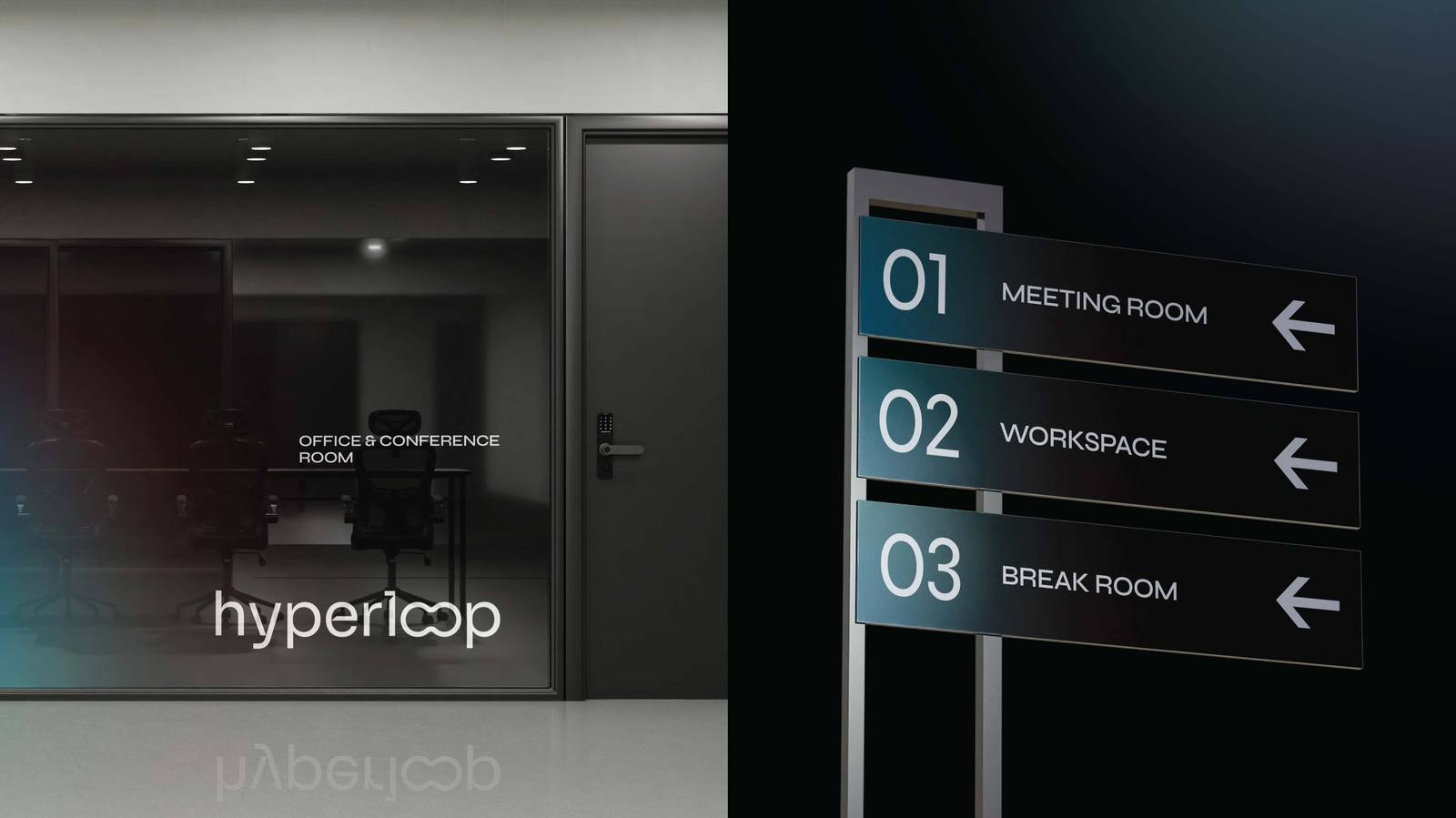


- Exterior signage. In England, many business signs need advertisement consent from the local planning authority, and illuminated signs commonly do; listed buildings and conservation areas add further controls. Check early, because consent sets the timeline.
- Interior signage and wayfinding. Survey every site; order once, fit once.
- Vehicles and uniforms. Replace on a schedule tied to renewal where the budget cannot cover everything at once, and publish the schedule so nobody wonders why two liveries are on the road.
- Print and packaging. Decide for each item whether old stock is used up or withdrawn, and date the switch.
Legal and regulated changes
A trading name can change on a sign the same day. A legal name changes at Companies House and then appears on contracts, invoices and regulator records, each with its own process. Decide early which is changing.
- Legal name. A change of company name is made by resolution and filed at Companies House; then banks, insurers, HMRC records and contracts follow.
- Trade marks. Search and file before the name is announced, in every market you trade in.
- Regulators and professional bodies. Regulated firms must update their registers; each body sets its own notice period and process.
- Invoices and contracts. Show both names during the transition where customers might not recognise the new one on a payment or statement.
Take advice from your accountant and company secretary on the order; the brand plan follows their timetable.
People: brief the inside first
Staff should never learn about a rebrand from a customer. Brief them first, in person where possible, with three things: why the brand changed, what it now says, and what they do differently on Monday. Give the sales team the narrative in the words they will use on a call, and give everyone a short FAQ for the questions customers will ask. Then update the careers page, job adverts and onboarding pack, so the people the business hires next meet the brand it now has.
Customers and partners
Tell customers what changes and what stays, in that order, before launch. For most businesses that is a short notice a week or two ahead, the launch itself, and a follow-up covering anything practical: new email addresses, what invoices will say, whether account details change. Suppliers and partners need longer, because their systems and co-branded materials carry your name too. Update directory and association listings in the first month.
The launch day checklist
Everything below should be true by the end of launch day.
- Website live, with every redirect tested
- Google Business Profile listings renamed, and reviews still attached
- Social profiles, handles and bios switched
- Email signatures and templates switched for every member of staff
- Old logo files removed from shared drives and replaced with the new library
- Sales deck, proposal and tender templates live, and the old versions retired
- Customer notice sent, saying what changes and what stays
- Staff briefed, with an FAQ for the questions customers will ask
- Invoices and contract templates showing the right names
- One named person watching for errors through the day, with a way to report them
The first 90 days
Weeks one and two: fix what launch day finds, retire the last old files, collect reactions from sales. Weeks three to six: review the first proposals and decks sent, fill template gaps, brief partners. Weeks seven to twelve: replace physical items on schedule, run the first measures against the baseline, and re-score the brand. Our brand transformation guide covers the operating phase that follows, and our brand guidelines guide covers the governance that stops the brand drifting.
What drives the cost
Implementation cost is driven by the number of surfaces, and physical ones usually cost the most: signage, vehicles, uniforms and packaging carry fabrication and fitting as well as design. Multi-site businesses multiply every physical line. The inventory is the only reliable basis for the budget, which is why it comes first. Our rebrand cost guide sets out UK market ranges for the whole programme.
Common mistakes
| Mistake | What it costs | How to prevent it |
|---|---|---|
| No surface inventory | Surfaces are found after launch, one complaint at a time | Build the inventory in the first week and give each surface an owner |
| Signage started late | The building carries the old name for months after launch | Check consent and order exterior signs twelve weeks out |
| Listings deleted and recreated | Reviews and local ranking lost overnight | Rename every Google Business Profile listing in place |
| No redirect map | Old links break; search visibility drops | Map every old URL to its new page and test before launch |
| Staff hear last | Customers ask questions the team cannot answer | Brief staff before any external announcement |
| Old files still in circulation | The old logo appears in proposals for a year | Remove the old files from shared drives on launch day |
| Legal name overlooked | Invoices and contracts carry a name customers do not recognise | Decide early whether the legal name changes and tell customers what their paperwork will say |
From the work
Rollout as a weekly discipline. Eight years of work for BMW Group retail has meant implementing a brand system someone else designed, every week, across showrooms, events, direct mail, digital and print, to the parent’s rules and the local site’s deadlines. Most of what is on this page comes from that practice.
Eight into one. For Dentistry.ie, an Irish dental group running eight practice identities, eight websites and eight advertising accounts, the implementation was the point of the brand: one name and one identity built so each practice could apply it without a designer in the room.
How Pivitt runs it
Implementation is steps 07 and 08 of the nine-step process Pivitt runs as the Brand Transformation Programme: the system built first, the inventory built in the first phase, and the rollout planned from the longest lead time backwards. For businesses that want the brand run after launch, the Brand Operating Partner retainer carries the rollout through the first ninety days and beyond. If you are not sure the brand is ready to roll out, the Brand Alignment Diagnostic will tell you.