- Brand transformation changes how a business is positioned, expressed and run as a brand, and is judged on commercial results.
- A refresh changes the identity; a rebrand changes position, message and identity; a transformation also changes the operating layer.
- It is triggered by change in the business: a new market or price point, acquisitions, a sale or investment, stalled growth.
- Pivitt’s framework scores six pillars, runs nine steps in three phases, then operates the brand against the baseline.
- Most of the return is earned after launch, in the operating phase.
- A one-page business case, a named owner and a baseline decide whether it pays back.
What is brand transformation?
Brand transformation is the work of changing how a business is positioned, expressed and run as a brand, so that it wins better-fit customers at better prices. It touches four layers. The identity is how the business looks and sounds. The message is what it says, and in what order. The position is who it serves and why it wins. The operating layer is how the business uses all three every day: in the sales narrative, the proposal, the price, the job advert, the templates, and the rules that keep them consistent.
The difference matters because most brand work stops at the third layer. A business can have a sharp position and a strong identity and still lose on price, because its sales team tells the old story, its proposals look like a competitor’s, and nobody owns the rules. Transformation is the work that carries the brand into those places, and it is measured where they meet the money.
Transformation, rebrand and refresh compared
The three are often used interchangeably. They are different pieces of work, with different triggers and different measures of success.
| Refresh | Rebrand | Brand transformation | |
|---|---|---|---|
| What changes | Identity details, templates, copy | Position, message and identity | Position, message, identity and the operating layer: sales narrative, pricing, naming, templates, ownership, measurement |
| Right when | The position holds and the expression has aged | What you sell or who you sell to has changed | The business itself is changing: new market, new price point, acquisitions, sale or investment, stalled growth |
| Judged by | Consistency and freshness | Recognition and perception | Commercial results against a baseline |
| Typical length | Four to eight weeks | Three to five months | Four to five months to launch, then an operating phase |
| Who leads it | Marketing | Marketing with leadership | Leadership, with marketing, sales and operations in the room |
A rebrand is often one part of a transformation. Our guide to the rebranding process covers the nine steps it runs through, and our guide to brand refresh covers the lighter option.
When does a business need one?
The trigger is almost always a change in the business. The common ones:
- Moving up-market. The business wants to charge more, and its brand still signals the old price point. Our guide to moving from mid-market to premium covers this in depth.
- Acquisitions or a merger. Several businesses now sit under one group with no decided architecture. See brand architecture and rebranding after an acquisition.
- A new market or category. The brand was built for a customer the business is now moving beyond.
- Preparing for sale or investment. Buyers and investors price what they can see. A brand that looks smaller than the business costs money at the table.
- Growth that has stalled despite spend. Marketing budgets rise and qualified enquiries do not.
- A new leadership strategy. The strategy has moved and the brand still describes the old one.
When none of these is true and the position still holds, a transformation is the wrong answer. A refresh, or fixing how the current brand is rolled out, will do more for less.
Which do you need? Run the check
The signs are usually visible from inside: the team describes the business three ways, proposals get compared on price, each acquisition arrives with its own look. The check below turns them into a reading.
Which do you need?
Seven questions. The reading shows which of the four layers need work and whether that adds up to a refresh, a rebrand, a transformation, or a fix to how the current brand is run. Nothing is stored or sent unless you ask.
Email me this reading, with the next steps.
The brand transformation framework
Pivitt’s framework starts with a score. The 360 Model measures the brand on six pillars: brand strategy, target audience, unique selling proposition, positioning, identity and assets. The weakest pillars set the scope, which is why two transformations rarely cost the same.
Diagnose. Score the pillars, research with customers and lost prospects, and settle the position. Design. Decide the architecture, then the verbal and visual identity that express the position. Deploy. Build the system of guidelines, templates and assets, and roll the brand out across every surface on one date. Operate. Run the brand, measure it against the baseline from the diagnostic, and adjust. The first three phases are the nine steps set out in the rebranding process; the fourth is what makes it a transformation.
A worked example
An illustrative example, drawn from the pattern of real engagements; it describes no single client. A 60-person engineering consultancy has made three acquisitions in four years and wants to move from mid-market fees to premium ones.
The score and the finding
The six-pillar score comes out lowest on positioning and assets. Interviews with eight clients and four lost prospects show buyers see a capable generalist; leadership sees a specialist in complex public-sector work. The three acquired firms still trade under their own names with no stated reason. The central finding: the business is priced at what buyers see, which is well below what it delivers.
The decisions
Position: the specialist for complex public-sector engineering. Architecture: endorsed, with each acquired firm becoming “part of the group” for eighteen months before a review. Message: three pillars, each backed by project proof. Identity: a group identity with an endorsement lockup, tested on bid documents first because that is where the money is.
The deliverables
Guidelines with the joining rule for future acquisitions; bid, proposal and case study templates; a new sales narrative and deck; a redirect map for three retired domains; renamed Google listings; signage and vehicle schedules; an internal launch for all sixty staff before any client sees the change.
What gets measured
Bid win rate, average fee per project, share of work in the chosen specialism, and qualified enquiries, each recorded at the diagnostic and reviewed quarterly. The first review checks whether the bid template is being used, because nothing else will move if it is not.
What changes beyond the brand
The operating layer is where a transformation earns its return, and where most brand work never reaches.
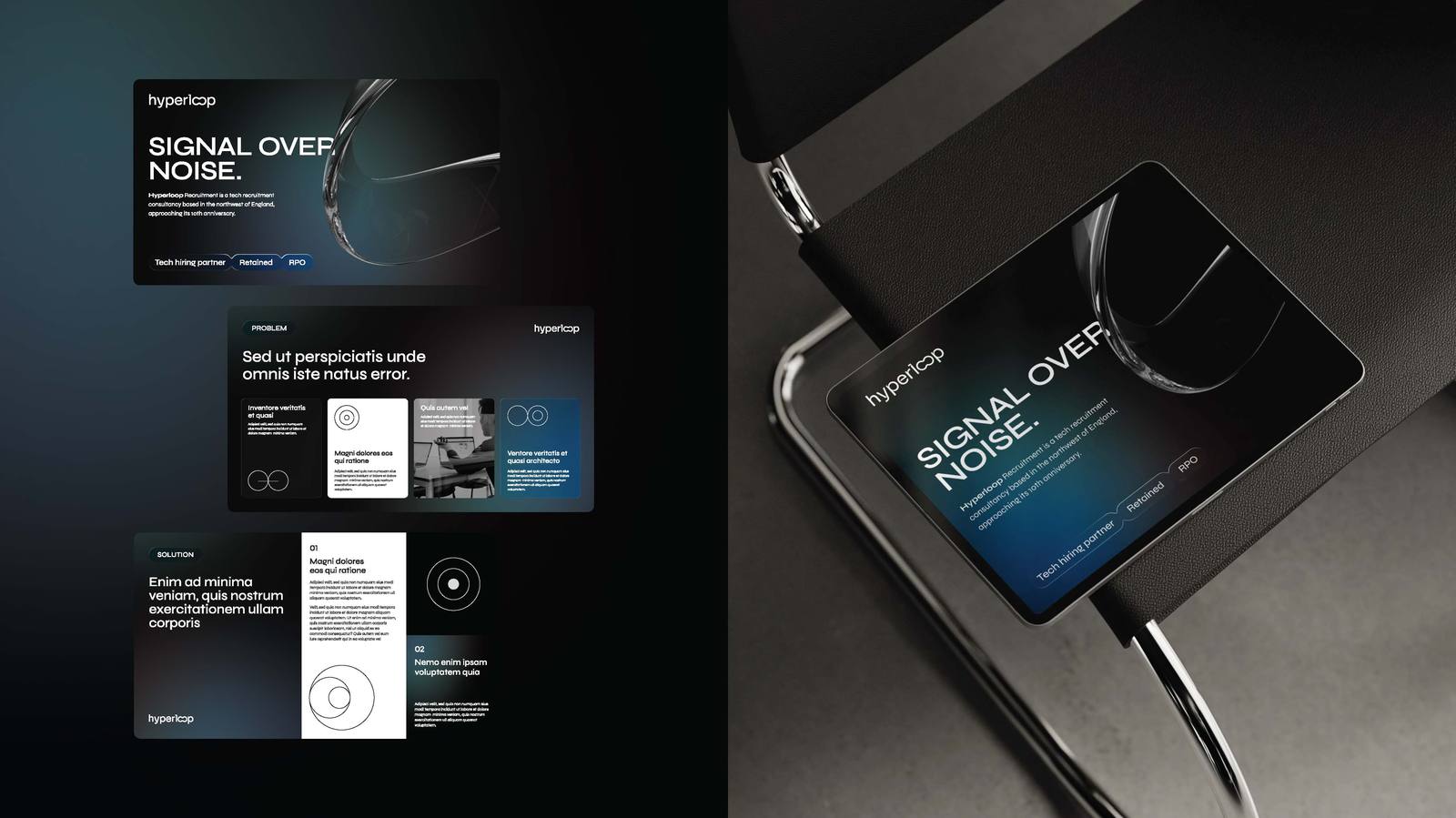
- The sales narrative. The story the sales team tells, in the words they will use on a call, and the deck and proposal that carry it.
- Pricing and proposals. How the offer is packaged and priced to match the position, so the proposal stops undercutting the brand.
- Naming and architecture. Which names lead, which are endorsed and which retire, and the rule for every future addition.
- Recruitment. Job adverts, careers pages and the interview story, so the people the business hires match the brand it now has.
- Templates and governance. Built templates for the surfaces that carry most weight, a named owner, and a route for requests. Our guide to brand guidelines sets out what a complete set contains.
- Measurement. A small set of commercial measures, tracked against the baseline, reviewed on a fixed cadence.
Who is involved
A transformation fails when it is run by marketing alone, because most of the operating layer sits elsewhere. The roles, by phase:
| Role | Diagnose | Design | Deploy | Operate |
|---|---|---|---|---|
| CEO or managing director | Sponsors; interviewed; signs off the position | Decides architecture and naming | Leads the internal launch | Reviews the measures quarterly |
| Marketing lead | Owns the brief and the baseline | Day-to-day lead on identity | Runs the rollout inventory | Owns the guidelines and the requests |
| Sales lead | Debriefs on wins, losses and objections | Tests the narrative on real deals | Briefs the team; rebuilds the deck | Tracks win rate and cycle length |
| Operations and delivery | Describes what customers actually get | Checks promises against delivery | Signage, vehicles, documents | Keeps service consistent with the brand |
| People and HR | Staff perspective | Employer brand | Internal launch, recruitment materials | Onboarding into the brand |
| Finance | Agrees the baseline measures | Approves the investment | Legal names, invoices, registrations | Checks the payback against the case |
| The consultancy | Runs the diagnostic and research | Leads strategy and design | Builds the system; supports rollout | Operates, measures, adjusts, if retained |
How it improves commercial performance
The mechanisms are specific, and each has a measure.
- A clearer position attracts better-fit enquiries. Fewer leads that were never going to buy; more that match what the business does best.
- Distinctiveness supports price. A business that looks and sounds like its competitors is compared on price. One that is distinct is compared on value.
- One narrative shortens sales cycles. When marketing, sales and leadership tell the same story, buyers raise fewer objections.
- A clear architecture lets spend compound. Every pound of marketing builds the same reputation.
- Governance cuts rework. Built templates and a named owner remove the hours lost to rebuilding the same assets.
The measures worth tracking:
Record each at the diagnostic, so there is a baseline to measure against. Without one, nobody can say whether the work paid back. Our guide to rebranding ROI covers the method.
Making the business case
Brand work is often approved on instinct and then questioned on results. A one-page case, agreed with finance before the work starts, reverses that: the measures, the baseline and the review dates are set in advance, so the conversation later is about the numbers.
Start with what the current brand costs. Discounting to close, deals lost at the first meeting, hours spent rebuilding the same deck, marketing spend split across names that do not reinforce each other. Estimate each with the finance team; a conservative number everyone accepts is worth more than a large one nobody believes.
Then tie each change to a measure. A clearer position should move qualified enquiries and win rate; distinctiveness should move deal value and discounting; governance should move rework. Set the review dates, name who reports, and state how finance will judge payback.
What drives the cost and timeline
Two transformations rarely cost the same, because the scope is set by the weakest pillars and by how much of the business the brand has to reach. The factors that move it most:
- The number of brands. One brand, or a group with acquired firms, sub-brands and retiring names.
- The number of surfaces. A consultancy with a website and a deck, or a multi-site business with signage, vehicles, uniforms and listings.
- The depth of research. A dozen interviews in one market, or several audiences across several markets.
- Naming. Keeping the name is quicker; a new name adds legal checks, trade marks and domains.
- Regulation. Regulated businesses carry notice periods and approvals that set the pace of rollout.
- The operating phase. Handover at launch, or a retained partner running the brand afterwards.
The timeline follows the same factors. Four to five months to a launched system is typical for an established single-brand business; groups and regulated businesses take longer, mostly in rollout. Our rebrand cost guide sets out UK market ranges, and our timeline guide breaks the months down.
Risks, and how to manage them
Every one of these is visible early, which is the point of naming them.
| Risk | Early sign | What to do |
|---|---|---|
| Design starts before the position is settled | Logo options appear in the first month | Hold design until leadership has signed the positioning statement |
| Leadership is not aligned | Different answers to "who are we for" in interviews | Resolve it in a facilitated session before step 04; record the decision |
| Rollout is under-budgeted | No surface inventory in the plan | Build the inventory in phase one and cost it before approving design |
| Sales does not adopt the narrative | The old deck is still being sent a month after launch | Brief sales before launch; retire the old files; check proposals weekly |
| Nobody owns it after launch | Requests go to whoever is free | Name the owner before the guidelines are handed over |
| Search visibility drops | Old URLs return errors; listings duplicated | Redirect map and listing renames signed off before launch day |
| Nothing is measured | No baseline recorded at the start | Record the measures at the diagnostic; set the review dates then |
The first 90 days after launch
The operating phase starts on launch day. The first quarter decides whether the brand becomes how the business works or a set of files nobody opens.
- Launch on one date, everywhere
- Retire old files from shared drives
- Check redirects, listings, signatures
- Collect first reactions from sales
- Review the first proposals and decks sent
- Fix template gaps the team reports
- Brief partners and suppliers
- First read of enquiry quality
- First measures against the baseline
- Quarterly review with leadership
- Re-run the six-pillar score
- Decide the next quarter’s adjustments
What it looks like
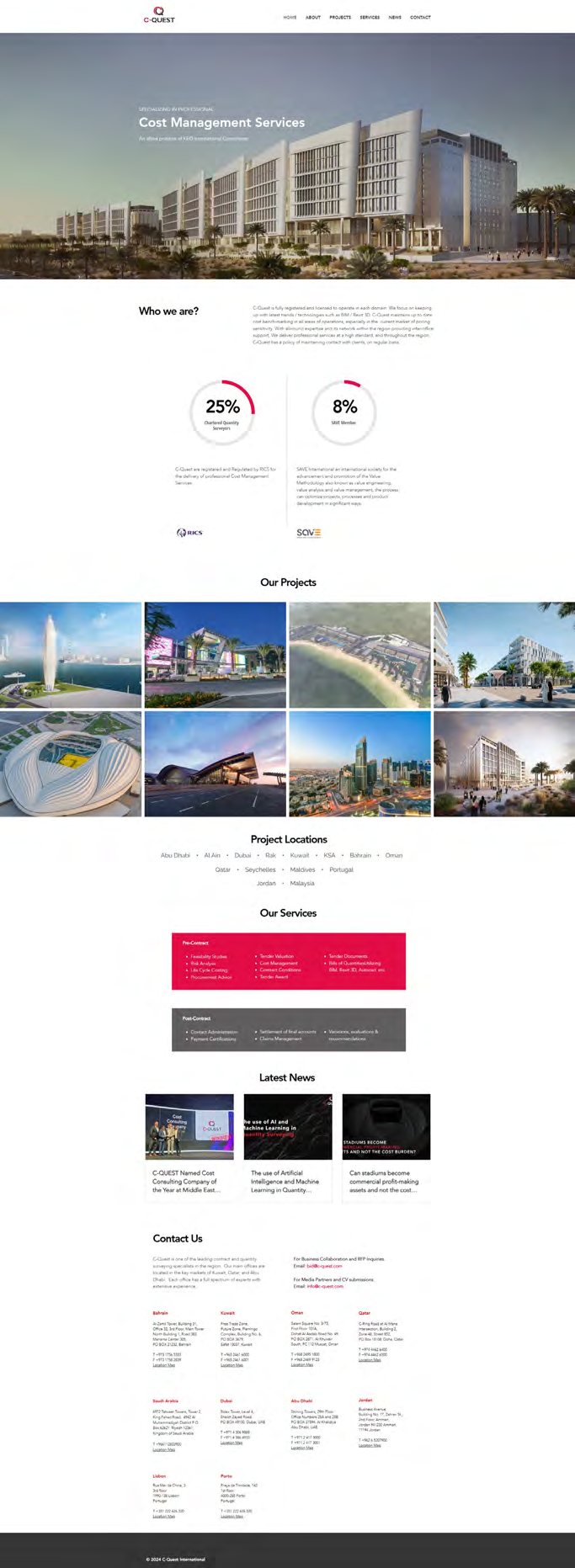 Before
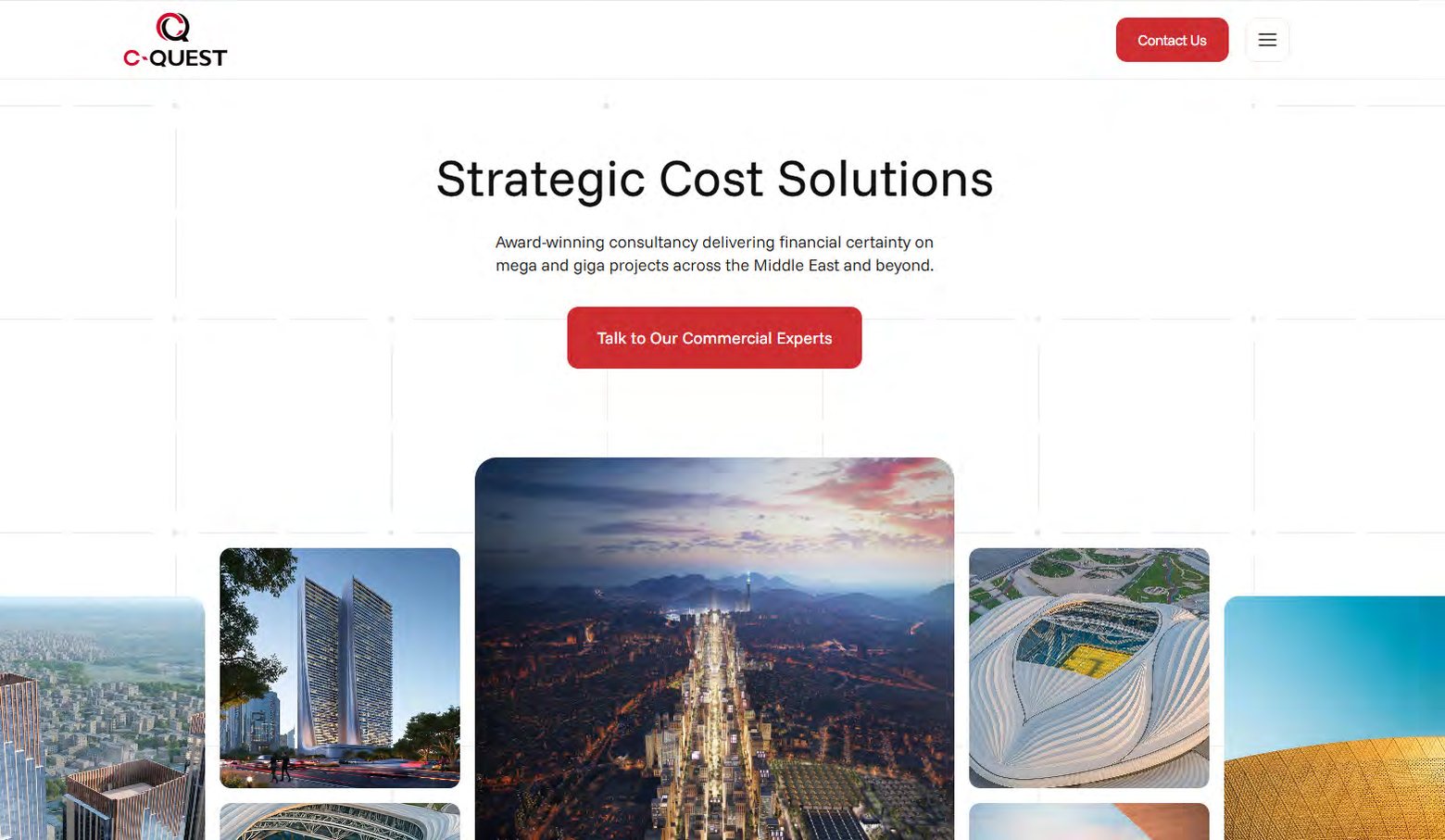 After
AfterFrom the work
Position first, then everything else. A UK home services business described itself the way every competitor did. The transformation found a specific audience it served better than anyone, rebuilt the message around it, and carried that into how the business sold. We helped grow the business from £300k to £2.18M in revenue, 118% above target.
A brand built to scale. We helped scale a start-up investment business past £40M in revenue in eighteen months. The brand was one contributor among several; its job was to hold at each stage of that growth without being rebuilt.
The operating layer, for eight years. Our work for BMW Group retail is the operating phase in its purest form: a brand system owned by the parent, applied locally every week across campaigns, showrooms and digital, without breaking the rules.
What to ask a partner before you hire
- How do you diagnose before you design? Look for a scored method and research with customers and lost prospects; a workshop on its own is opinion.
- What will you measure, and against what baseline? A partner who cannot name the measures cannot show the work paid back.
- Who does the work day to day? Meet them. The people in the pitch are not always the people in the project.
- How do you handle architecture and naming? Essential if you have acquired, merged or run more than one brand.
- What happens after launch? Ask about templates, ownership and the operating phase. Handover is not the end of the work.
- How do you plan rollout? Ask to see a surface inventory from a past project.
- Show me a comparable engagement end to end. Including what did not work and what they changed.
- How is it priced? A fixed figure after a diagnostic is easier to control than a day rate with an open scope.
How Pivitt runs it
Pivitt runs brand transformation as the Brand Transformation Programme: four to five months from the first interview to a launched brand system, starting with the Brand Alignment Diagnostic. It is priced as a fixed figure in the proposal once the diagnostic has measured the work; our rebrand cost guide sets out UK market ranges. The operating phase runs as the Brand Operating Partner retainer, from £3,500 a month plus VAT, for businesses that want the brand run and measured after launch.