- A B2B rebrand is judged by a buying group, over a long sale, mostly in sales materials.
- Rebrand when the business has moved and the brand has stayed: new markets, a move upmarket, an acquisition, a name that no longer fits.
- Start with evidence from customers, lost deals and sales calls before any design work.
- Launch the sales toolkit with the identity: deck, proposals, case studies and tender documents on the same day.
- Measure it in the sale: shortlist rate, win rate, deal size and price.
What is B2B rebranding?
B2B rebranding is the process of changing the name, positioning, identity or messaging of a company that sells to other businesses, and carrying that change into every place a buyer meets it. The scope ranges from a refresh of the visual identity to a new name and a new place in the market. It is also called business-to-business rebranding or corporate rebranding; the corporate version often includes the legal entity and the group structure as well.
The usual reason is that the business has moved and the brand has stayed where it was. The company now wins larger contracts, sells into new sectors or offers more than it did, while the website, the deck and the credentials still describe the smaller firm it used to be. Put simply, the brand has not kept pace with the business you have built.
How B2B rebranding differs from consumer rebranding
The principles are shared. The buyer, the length of the sale and the places the brand is judged are different, and they change how the work is done.
| Consumer rebrand | B2B rebrand | |
|---|---|---|
| Who decides | One person, often in minutes | A buying group of several people, each checking something different |
| How long the sale takes | Minutes to weeks | Months, often through a formal process |
| Where the brand is judged | Packaging, shops, advertising, social | Website, sales deck, proposals, case studies, tender documents |
| What buyers need to see | Something they want | Evidence the supplier is competent, safe to buy from and worth the price |
| What a mistake costs | A sales dip that shows within weeks | Lost shortlists and discounted deals, found months later |
In B2B, the brand does much of its work in rooms where nobody from your company is present: when the buying group reads the proposal, compares credentials and decides who makes the shortlist. A B2B rebrand is designed for that reading.
When should a B2B company rebrand?
Six triggers account for most B2B rebrands.
- You have moved upmarket. Contracts are larger and buyers more senior, and the brand still looks like the firm that won the first ones.
- You sell into new sectors or countries. The name, the case studies or the language tie you to where you started.
- An acquisition or merger has left several names. Buyers meet two or three brands for one business. Our guide to rebranding after an acquisition covers the sequence.
- The offer has changed. You sell outcomes, a platform or a managed service, and the brand still describes a supplier of hours or parts.
- Sales is telling you. Salespeople rewrite the deck before every pitch, apologise for the website, or keep explaining that the business is bigger than it looks.
- You are preparing for investment or a sale. Investors and acquirers read the brand as evidence of the business behind it.
Some problems call for other work first. If the brand is clear and the trouble is inconsistency, fix the system and its governance; our brand guidelines guide covers that. If sales are falling because the offer or the price is wrong, fix those before the identity.
Refresh, rebrand or reposition?
The three are often confused, and choosing the wrong one is the most expensive early mistake.
| Refresh | Rebrand | Reposition | |
|---|---|---|---|
| What changes | Visual identity and templates | Identity, messaging and often the name | Who you sell to and why you win; the brand follows |
| Right when | The position is sound and the look has aged | The business has changed and the brand has stayed | The market has moved, or you are moving into a new one |
| Main risk | Money spent on appearance while the message stays unclear | Losing recognition you have earned | Committing to a position the business cannot yet deliver |
Our brand refresh guide and our company rebrand guide go further on each; the check below gives an indicative answer for your business.
Design for the buying group
A B2B brand has to work for each person in the buying group, and each reads it differently.
The person who will use the service wants to see that it will make the job easier. The specialist wants proof that you understand the problem. The sponsor who owns the budget wants confidence in the outcome. Procurement wants evidence that you are safe to buy from. The champion, the person arguing for you internally, needs words and materials to repeat in meetings you will never attend.
A brand built around one of these readers, usually the user, leaves the others to fill the gaps themselves. A rebrand that serves all five gives the champion an easier argument and procurement fewer reasons to hesitate.
The B2B rebranding process
1. Evidence. Interview customers, including prospects you lost; read the win and loss notes; sit in on sales calls. The aim is the language buyers use and the real reasons they choose.
2. Position. Decide who the business is for, what it does better than the alternatives, and the proof behind that, in words a salesperson can say.
3. Name and architecture. Decide what changes and what stays: the company name, the relationship with a parent or acquired brands, the names of products and services. Our brand architecture guide covers the models.
4. Identity and system. Design the identity and the templates together, and test them in a forty-page proposal as well as on the home page.
5. Sales toolkit. Rebuild the deck, proposal and tender templates, case studies and credentials, and brief the sales team on the new story.
6. Rollout and measurement. Switch every customer-facing surface on one date, carry customers and contracts through the change, and measure against a baseline taken before launch.
The six stages map onto the nine steps in our rebranding process guide.
Check your brand: the B2B brand check
Score the brand at each stage of the sale before deciding what kind of work it needs.
The B2B brand check
Answer twelve statements about how your brand performs at each stage of the sale, and two about the business. The check shows which stage the brand is weakest in and whether the answer is a refresh, a rebrand or a repositioning. It is an indicative reading from your own answers; the Brand Alignment Diagnostic is the verified one. Nothing is stored or sent unless you ask.
A buyer landing on the website can say what you do, and for whom, from the first screen.
The website shows work and clients in the sectors you want to win next.
Buyers searching for the problem you solve find you under the name they know.
Your case studies and credentials show measurable results.
Everyone on the team describes the business in the same words.
The brand looks as established as the firms you compete with for your largest contracts.
The sales deck and proposal templates carry the current brand and position.
Salespeople send the deck as it stands, without rewriting or restyling it first.
You win on value more often than you discount to close.
Tender, pre-qualification and supplier records are current and consistent.
Existing customers could describe everything you offer, beyond the service they buy.
The brand stands up in front of the procurement and finance people who sign off.
Since the brand was made, has what you sell, who you sell to, or your price point changed?
Does the name still fit: one business, no confusion after an acquisition, no tie to a market you have left?
Email me this reading.
Start with evidence
The most useful input to a B2B rebrand is what buyers say when asked why they chose you, why they nearly chose someone else, and why others did. A round of interviews with recent customers and lost prospects, run by someone outside the sales team, will surface the pattern.
Pair the interviews with win and loss records from the CRM, a read of recent proposals, and time on sales calls. The output is a short evidence file: what buyers value, the words they use, where the current brand lets them down, and which competitors they compare you with. Every later decision in the programme should trace back to it. The Brand Alignment Diagnostic is built to produce this file and score the brand against it.
Positioning a B2B brand
A B2B position answers three questions in words a buyer would repeat: who you are for, what you do better than the alternatives, and what proof backs it. The strongest positions are specific. A firm known for one hard problem in a named sector gives the champion a sentence to use in the room; a firm describing itself as a partner to every sector leaves the champion to write that sentence alone.
Specific also means provable. Every claim in the position should have a case study, a figure or a client name behind it, because the specialist and the sponsor will look for one. Our positioning guide sets out the method.
The sales toolkit is the brand
In B2B, buyers meet the brand most often in documents your team sends. The toolkit launches with the identity, on the same day.
- The sales deck, telling the story in the order buyers ask for it.
- Proposal and tender templates, built for the length and format procurement asks for.
- Case studies, written as problem, work and measurable result, in the sectors you want to win.
- A credentials pack or capability statement, for pre-qualification and first meetings.
- LinkedIn profiles and the company page, which buyers check before and after every meeting.
- The words sales uses on calls, in a short narrative and a list of the questions buyers ask.

Customers, contracts and search
Existing customers carry most of a B2B firm’s revenue, so tell them first and tell them directly: what changes, what stays, and whether anything practical changes for them, such as the name on invoices, the contracting entity or email addresses. Account managers should brief key accounts personally before any public announcement.
Contracts and supplier records need their own plan. A change of trading name usually needs only a notice to counterparties; a change of legal entity can mean novating contracts, so take legal advice on which applies. Update supplier portals, framework agreements, pre-qualification records and procurement registrations, where a mismatch can hold up a payment or a bid.
For search, map every old URL to its new page with permanent redirects, keep the old domain registered, and watch the searches the old name ranked for. Our brand implementation guide covers the full rollout, with a planner.
Measuring a B2B rebrand
Measure a B2B rebrand in the sale, where a B2B brand does its work. Take a baseline before launch and compare at six and twelve months.
- Shortlist rate: how often you reach the final stage of the pitches and tenders you enter.
- Win rate: deals won against deals proposed.
- Deal size and price: the average contract value, and how close you close to the price you quote.
- Sales cycle length: from first meeting to signature.
- Enquiry quality: the share of enquiries that fit the business you want to win.
- Branded search: people looking for you by name.
Our rebranding ROI guide covers how to build the business case from these measures.
What it costs and how long it takes
Cost and time follow scope. A refresh of the identity and the templates is the smallest piece of work; a new name and architecture across several businesses, with a full rollout, is the largest, because legal checks and the number of surfaces set the pace. Our rebrand cost guide sets out UK market ranges and our rebrand timeline guide sets out how long each stage takes.
Two items are often missing from a B2B firm’s first budget: the time leadership and sales spend in the evidence and positioning work, and the rebuild of the sales toolkit.
Common mistakes
| Mistake | What it costs | How to prevent it |
|---|---|---|
| Rebranding the website alone | The deck and proposals carry the old story for months | Launch the sales toolkit with the identity |
| Skipping the evidence | The position describes how the team sees itself | Interview customers and lost prospects first |
| A position that covers everyone | The champion has nothing specific to repeat | Name the buyers and the problem you solve best |
| Customers find out from the website | Key accounts feel surprised, and some start to look around | Brief key accounts directly before launch |
| Supplier records left behind | Payments or bids held up by a name mismatch | Put portals, frameworks and pre-qualification records on the plan |
| No baseline | No way to show what the rebrand returned | Record win rate, deal size and cycle length before launch |
From the work
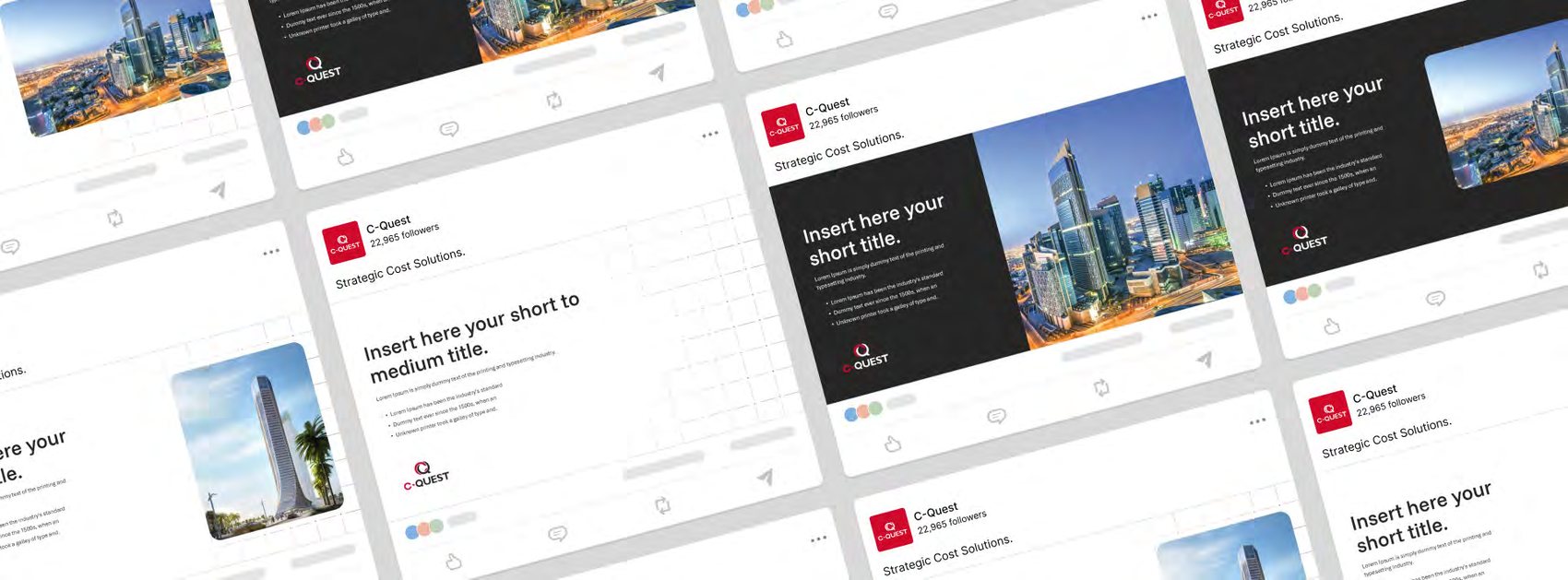
An independent brand inside a group. C-Quest is a cost consultancy inside the KEO Group, competing for some of the largest developments in the Gulf, with a brand that read as a department of its parent. Pivitt built an independent position and identity around precision, the thing its clients pay for, and a system of six brand categories the internal team runs itself. On work at that scale the brand is part of the bid.
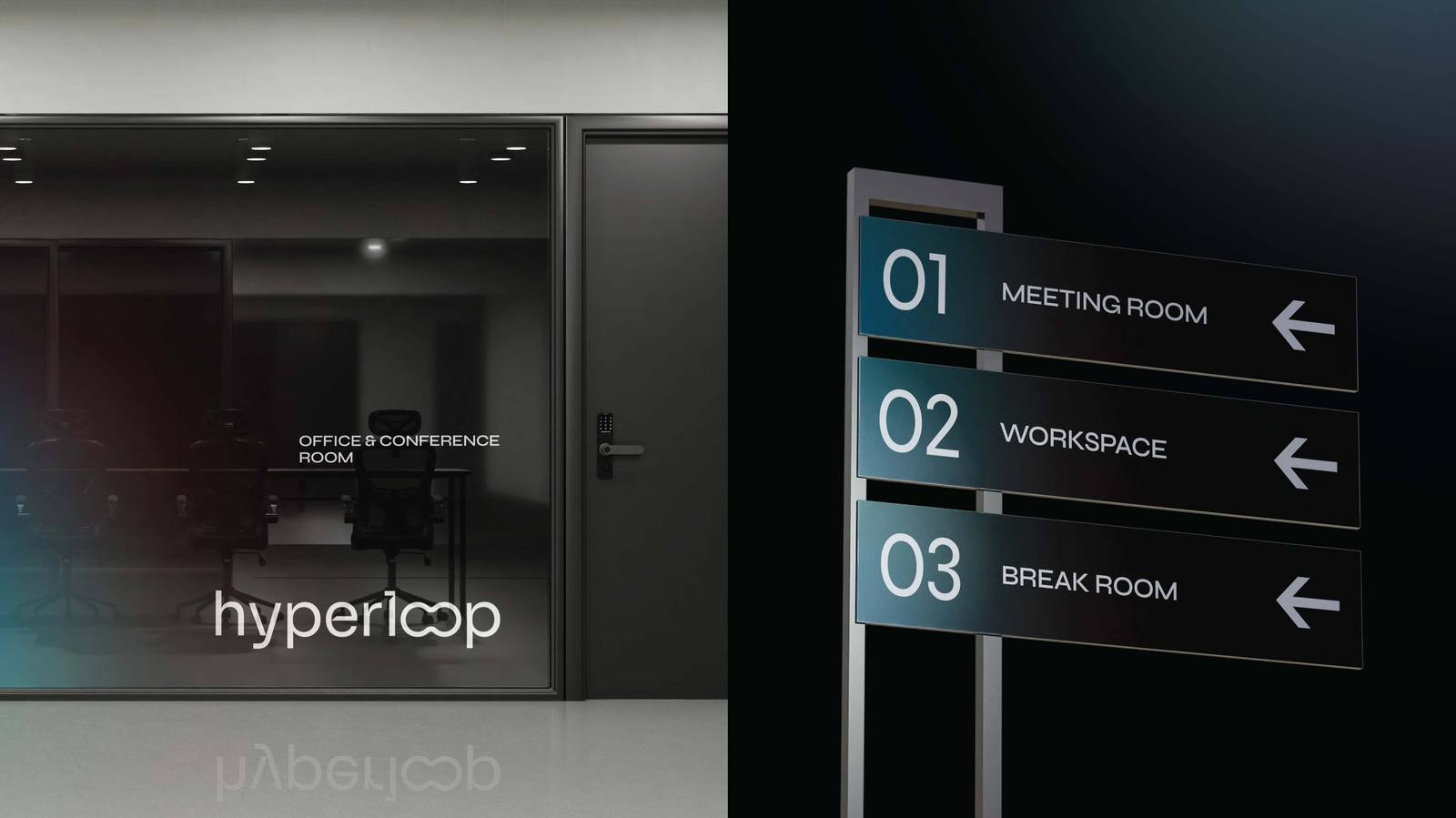
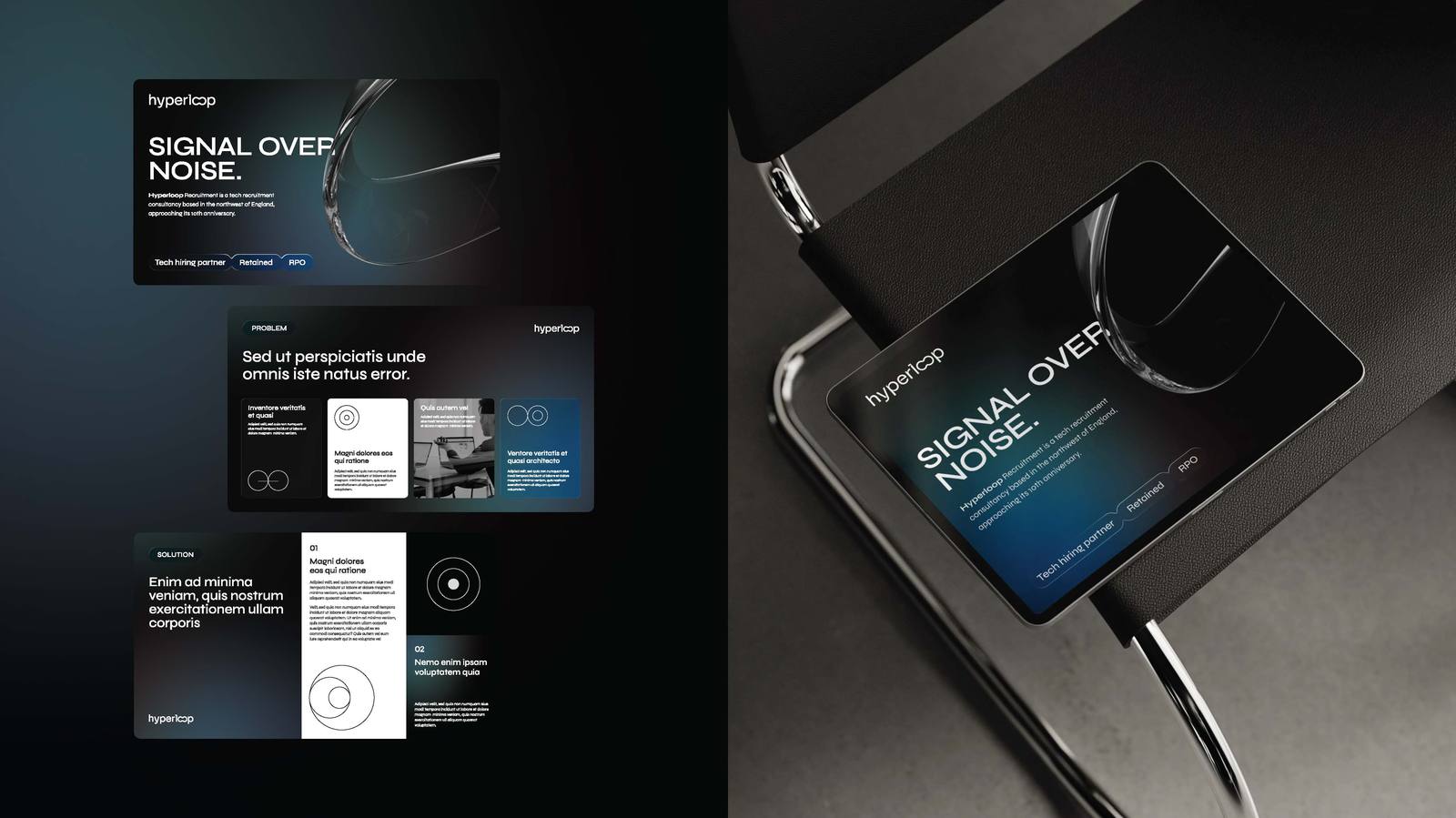
A recruiter that looked like the category. Hyperloop Recruitment did sharp work in technology recruitment and looked like every other firm in its market. Pivitt built a high-contrast identity around one idea, signal over noise, and carried it across the website, deck, stationery and office.
How Pivitt runs it
Pivitt runs B2B rebrands as the Brand Transformation Programme: evidence and positioning first, then name and architecture, the identity and the sales toolkit designed together, and a rollout that carries customers and contracts with it. It starts with the Brand Alignment Diagnostic, which scores the brand against the business across the six pillars of The Pivitt 360 Brand Model and shows what to fix first. For firms that want the brand run after launch, the Brand Operating Partner retainer keeps the toolkit current as the business grows.