The question arrives in almost every first conversation, and the usual answer, "it depends", wastes it. It does depend, but on a small number of things that can be named, and once they are named the budget conversation becomes a scope conversation. This guide sets out the UK cost bands, what each level actually includes, what moves the price up or down, how long the work takes, and the costs that most businesses leave out of the budget.
The short answer: UK rebrand cost bands
Four levels of work get called a rebrand. They are different projects with different price ranges, and most of the confusion about cost comes from comparing a quote for one level against a quote for another.
| Level | What it changes | What stays | Typical timeline | Indicative investment | Best for |
|---|---|---|---|---|---|
| Brand refresh | How the existing brand is expressed: logo refinement, palette, type, photography, templates, tone | Positioning, name, architecture | 4 to 8 weeks | £3,000 to £10,000 | A sound position that has started to look dated or inconsistent |
| Repositioning | The strategy: who you serve, what you stand for, why it is worth more; messaging rebuilt to match | Name; identity may be evolved rather than replaced | 6 to 8 weeks of strategy, then identity as needed | £10,000 to £30,000 | A business that has outgrown how it is described, or is moving upmarket |
| Full rebrand | Strategy, verbal identity and visual identity together, plus the core application set | Usually the name and the customer base | 3 to 4 months | £25,000 to £50,000 | Merger, acquisition, new leadership, a proposition that has changed |
| Transformation programme | Everything above plus digital experience, rollout across every channel and market, governance and internal adoption | The commercial equity worth keeping, identified in research | 4 to 5 months to launch, then rollout | £50,000 to £150,000+ | Multi-market, multi-brand or asset-heavy organisations |
Market ranges for established UK businesses buying agency or consultancy work, compiled from nine UK pricing guides published in 2026 (among them Canny Creative, Huddle Creative, Bob Design, Horizium, Flow Advisory and Aether). The freelancer and micro-business end of the market sits below these bands and is excluded. London agencies typically price 20 to 40% above regional ones. These are market figures, not Pivitt quotes; Pivitt's own pricing is set out in section 10.
The lower end of any band buys execution. The upper end buys the research, strategy and rollout that make the execution worth doing. A £5,000 refresh and a £5,000 "rebrand" are the same purchase with different labels, and a business with a positioning problem that buys the former will be back in the market for a real rebrand within two years.
Refresh, repositioning, rebrand, transformation: which one you need
A brand refresh updates how an existing brand is expressed. A rebrand changes something more fundamental: the positioning, the identity, the architecture or all three. A brand transformation is a rebrand carried through every surface the business touches, with the systems to keep it there.
The test is where the problem sits. If the market understands what you do and why you are worth the price, and the brand simply looks tired or inconsistent, that is a refresh. If the market reads you as smaller, cheaper or more generic than you have become, the problem is positioning and no amount of visual work fixes it. If the business has changed shape through acquisition, a new market or a new proposition, the brand has to be rebuilt to describe the new business. The refresh guide works through the signals in more detail; the strategy versus identity article explains why the order matters.
What changes the cost
Eight variables set the price. Every quote you receive is a position on each of them, whether or not the proposal says so.
- Depth of strategy. Positioning built from a workshop costs a fraction of positioning built from customer interviews, competitor mapping and commercial analysis. It also holds for a fraction of the time.
- Research. Customer research, market research and brand perception work each add weeks and fees, and each removes a guess from the brief. At the top of the range, research is the largest single line.
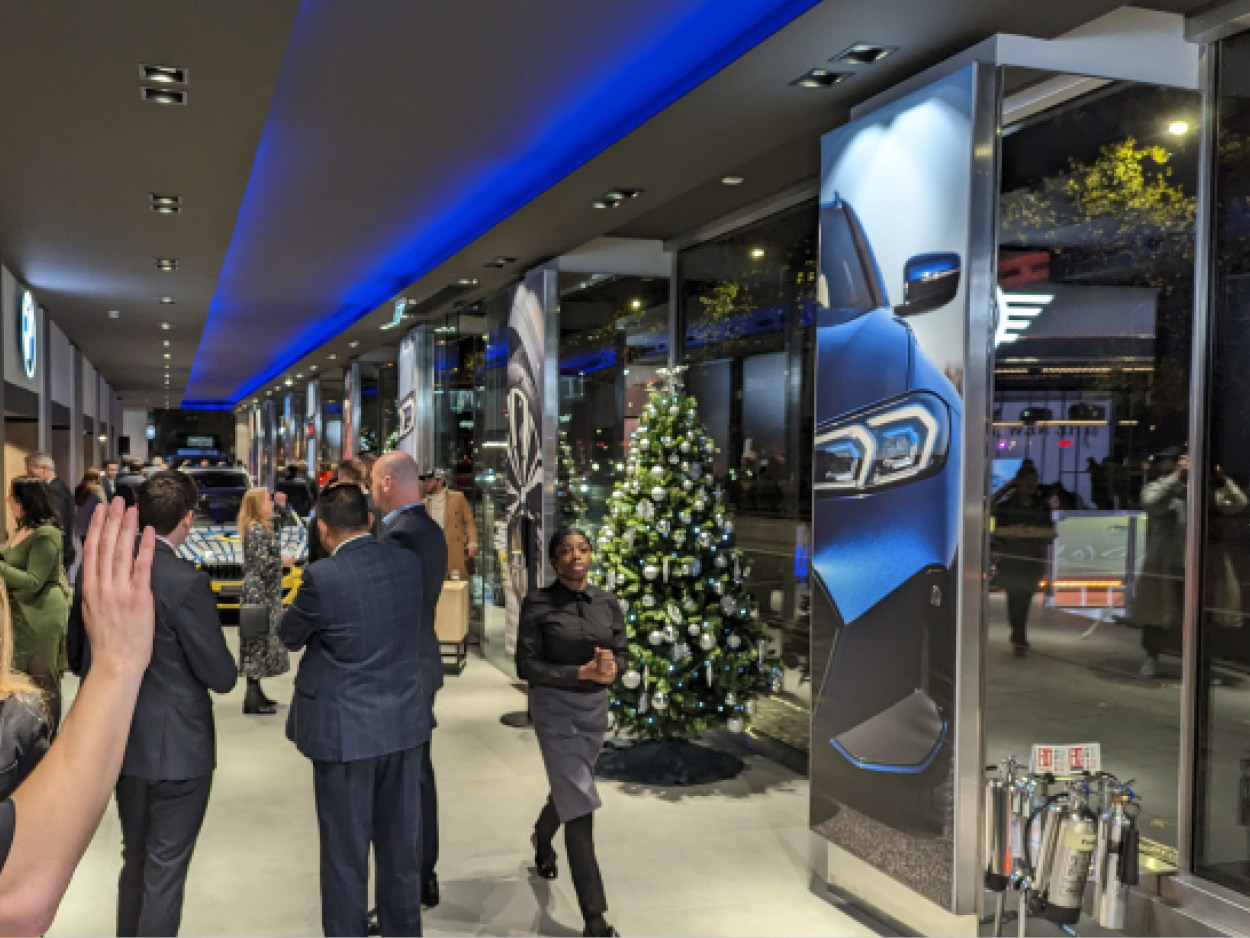
- Number of surfaces. A brand that lives on a website and a deck is a small system. A brand that lives on a fleet, a showroom, a product range, packaging, signage, 200 templates and four regional teams is a large one. Cost scales with the surface count, and the surfaces are usually undercounted at the outset.
- Verbal identity. Naming, messaging architecture, tone of voice and the core copy that carries them. Often left out of a design quote and then bought separately, at a premium, when the new identity has nothing to say.
- Website and digital. A rebrand that stops at the front door of the website is visible to everyone the moment they click. Digital experience is frequently the largest cost after the identity itself.
- Internal rollout. Guidelines, templates, asset libraries, training and the governance to keep the brand consistent after launch. The cheapest way to waste a rebrand is to leave this out.
- Markets and languages. Each additional market adds localisation, legal checks and a second round of stakeholder approval.
- Who does the work. A senior consultancy prices senior time. A large agency prices a senior pitch team and a junior delivery team. A freelancer prices one person's hours. The same brief produces three different numbers and three different levels of risk.
What the money buys at each level
Whatever the total, it divides into five kinds of work. Knowing the split lets you compare proposals on what they contain rather than on the bottom line.
| Component | What it includes | Refresh | Repositioning | Full rebrand | Transformation |
|---|---|---|---|---|---|
| Strategy | Diagnosis, positioning, audience, proposition, architecture | Light review | Core of the work | Full | Full, with research |
| Verbal identity | Messaging, tone, naming where needed, core copy | Tone only | Rebuilt | Rebuilt | Rebuilt and localised |
| Visual identity | Logo, colour, type, imagery, motion, layout system | Refined | Evolved | New | New, at system scale |
| Digital | Website, product UI, email, social | Templates updated | Key pages | Site rebuilt | Full digital experience |
| Rollout | Guidelines, templates, asset libraries, training, governance | Guidelines refreshed | Guidelines and key templates | Full application set | Every channel, every market, ongoing |
How long a rebrand takes
Time is a cost too, in fees and in the months the business spends between the old brand and the new one. For an established business doing substantive work, a realistic programme runs four to five months from strategic foundation to launched brand system: six to eight weeks of strategy, six to eight weeks of identity development and system build, and two to three weeks of implementation and handover. Digital and rollout continue after launch. The creative phase alone, the part most people picture as the rebrand, runs six to twelve weeks. A refresh runs shorter because the strategy phase is a review rather than a rebuild. The timeline guide sets out each phase and what can run in parallel.
The costs most budgets leave out
The design fee is the visible cost. Five others decide whether the total is what you planned.
- Application. Every surface the new brand touches has to be re-made: signage, vehicles, uniforms, packaging, print, exhibition, product. UK guides put rollout at 30 to 40% of the total budget, and on an asset-heavy business it can exceed the design fee.
- Website. Budgeted as a separate project, delivered six months late, and the new brand is invisible in the meantime.
- Internal time. Stakeholder rounds, approvals, content gathering and training draw on the leadership team and the marketing function for months. Unplanned, this is where timelines double.
- Governance. Without templates, an asset library and someone accountable for consistency, the brand drifts within a year and the investment erodes with it. See why rebrands fail.
- Doing it twice. The most expensive rebrand is the cheap one that has to be redone.
A UK home services business we worked with had rebranded twice in six years before coming to us. Each time the spend went on visuals: new logo, new website, new colours. Each time the business kept attracting the wrong client at the wrong price, because it operated in a premium segment while its brand read as mid-market. Neither rebrand had touched the positioning.
We rebuilt the brand around a clear position: who they served, what made them different, and why that mattered commercially. Revenue grew from £300k to £2.18M, 118% above the target the business had set. Two lower-cost rebrands had produced nothing; one built on strategy produced the result. That is a story about buying the right thing, and it is written up in the home services case study.
When a refresh is enough, and when it is not
A refresh is the right purchase when the positioning is sound and holds, the business has not changed shape, the identity is recognised and has equity worth keeping, and the problem is execution: dated, inconsistent, or stretched across surfaces it was never designed for. Spend the money on the system that keeps it consistent, and keep the equity.
A repositioning or full rebrand is justified when the business competes on price in a market where it should command a premium, when the sales team cannot explain the difference between you and the next firm, when the brand describes a smaller or different business than the one you now run, or when a merger, acquisition, new leadership team or new market has changed what the brand has to say. In those situations a refresh spends money confirming the wrong story.
A transformation programme is the right level when the answer to "how many surfaces" runs into the hundreds, when several markets or brands have to be brought into one system, or when the organisation has no way to keep a brand consistent after launch. The Brand Transformation Programme describes how Pivitt runs that work as one programme rather than a series of projects.
How to judge whether the investment will pay
Three things decide it before any design starts. First, whether strategy comes before design: a partner who opens with visual questions is selling aesthetics, which is fine if aesthetics is the problem. Second, whether the deliverables are self-sufficient: guidelines, systems and documentation your team can run without calling anyone. Third, whether the brief is specific enough to measure. "Look more premium" cannot be held to account. "Reposition from generalist services firm to specialist in regulated industries, to support a 30% price increase" can. The rebrand ROI article sets out what businesses measure and what they see.
Questions to ask before you appoint anyone
- What do you need to understand about our market and customers before you design anything, and how will you find it out?
- Who exactly will do the work, and how much of their time is in the fee?
- Which surfaces does the quote cover, and what happens to the ones it does not?
- What will my team be able to produce on its own the day the engagement ends?
- How will we know it worked? Which numbers move, and by when?
- What did the last rebrand you delivered cost, all in, once the client had applied it everywhere?
How Pivitt prices brand work
Three fixed points and one scoped programme. The Growth Readiness Check is free: five minutes, an indicative Growth Readiness Score out of 100 against the six pillars of the Pivitt 360 Brand Model. The Brand Alignment Diagnostic is £1,500: ten working days, the verified score, and a prioritised plan that tells you which of the four levels above you actually need. A single live job, the Brief, runs from £2,500 at a fixed fee agreed before we start. Brand transformation programmes are scoped against the brief and priced in the proposal, because the surface count sets the price and we do not guess it. The strategy and positioning page describes the work that sits at the front of every programme.